
Last updated on July 21st, 2026 at 10:09 am
Meditation, once seen mainly as a way to relieve stress, has become an important tool for personal growth. It helps increase self-awareness, improve emotional management, and build empathy. These benefits can change how we interact with others and support our development.
So, how can meditation improve your personality development? In this guide, we will look at this question closely, supported by real research and practical examples you can use in daily life.
“This is part of a bigger picture — read our complete Personality Development Guide to understand how self-awareness, communication, and confidence all connect.”
Key Takeaways
Meditation is a useful tool for personality development. With regular practice, you can build:
- Increased self-awareness, leading to better decisions.
- Improved emotional regulation for handling stress and challenges.
- Better focus and mental clarity.
- Stronger empathy and compassion.
- Reduced anxiety for a calmer mind.
- Greater confidence through self-understanding.
- Better communication skills.
Impact of Meditation on Personality Development
Meditation is more than a way to relax. It connects you with your inner self and helps you grow. Regular practice can shift your personality over time, making you more self-aware, compassionate, and emotionally steady.
1. Increased Self-Awareness:
2. Emotional Regulation:
3. Enhanced Focus and Concentration:
4. Greater Empathy and Compassion:
5. Reduced Stress and Anxiety:
Meditation is well known for reducing stress and anxiety. Mindfulness practice is linked to lower levels of cortisol, the body’s main stress hormone, which supports a calmer mind. With less anxiety clouding your judgment, you can face challenges with more clarity and a steadier attitude.
In a fast-paced world, stress can shape your personality more than you realize. Learning to manage overthinking and unwanted thoughts works well alongside meditation for this exact reason.
If you still wonder how can meditation improve your personality development, reducing daily stress is one of the biggest long-term benefits because a calm mind makes better decisions and builds healthier relationships.
6. Boosted Confidence:
Meditation helps you grow in self-awareness and emotional regulation, which naturally increases your self-confidence. It also helps you accept yourself as you are, which builds a sense of self-worth. When you understand yourself better, you feel more secure in your decisions and interactions.
7. Better Communication Skills:
 |
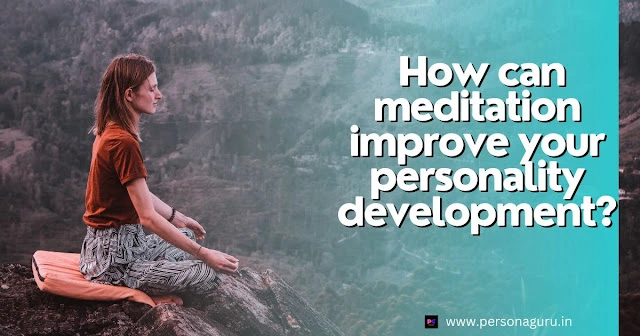
| How can meditation improve your personality development? |
Can Meditation Change Your Personality?
Yes, meditation can change your personality, though not in a drastic way. It does not replace who you are. It helps new traits grow, like patience, emotional steadiness, and focus. Over time, these traits make your personality more grounded and adaptable.
For instance, meditation can help you overcome impulsiveness by building patience. As you become more self-aware, your sense of who you are tends to grow clearer too, which is closely connected to finding yourself and your direction in life.
This is another practical example of how can meditation improve your personality development through consistent practice rather than overnight change.
Meditation Practices for Personality Development
Each practice offers a slightly different benefit:
- Mindfulness Meditation: Helps you stay calm and focused, building self-awareness and emotional regulation.
- Loving-Kindness Meditation: Builds empathy and compassion for stronger relationships.
- Transcendental Meditation: Reduces stress and improves focus, supporting emotional resilience.
- Body Scan Meditation: Builds self-awareness through attention to physical sensations.
How Meditation Improves Mental Strength
Conclusion:
So, how can meditation improve your personality development overall? Through steady, small changes: stronger self-awareness, calmer emotions, sharper focus, deeper empathy, and quiet confidence.
Start small. Just a few minutes a day can make a real difference. With steady practice, you will notice real change over time. Take a moment each day to sit quietly, breathe, and begin building the version of yourself you are aiming for.

Ayanshi is the founder of PersonaGuru.in, a blog focused on personality development, career, relationships, and mental well-being. With over 3 years of writing experience, she turns psychology and everyday experiences into practical, easy-to-understand advice for real life.